
If your child frequently experiences shortness of breath, coughing, or hears a whistling or wheezy sound in their chest when they breathe, they may have asthma — a chronic condition that causes inflammation and narrowing of the bronchial tubes, the passageways that allow air to enter and leave the lungs. If people with asthma are exposed to a substance to which they are sensitive or a situation that changes their regular breathing patterns, the symptoms can become more severe.
Asthma symptoms affect an estimated 7 million children — and are one of the leading causes of absences from school. According to the World Health Organization, asthma often runs in families; about half the cases are due to genetic susceptibility, and half result from environmental factors. Although there is no cure for asthma, effective treatments are available. Asthma can be best managed by seeing an allergist.
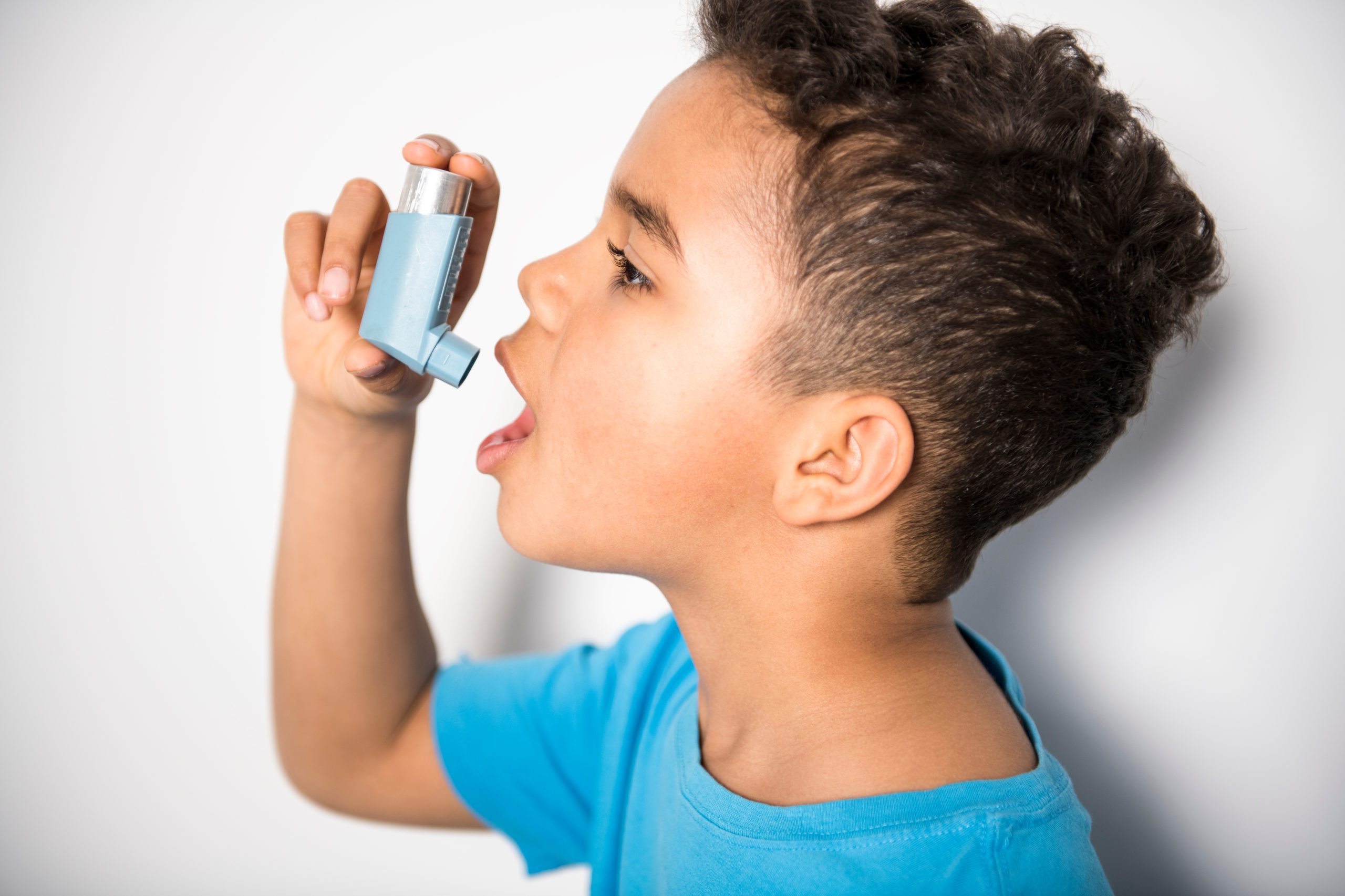
Asthma in children can affect breathing, sleep, activity levels, and overall comfort, especially when symptoms are triggered by allergies, illness, or environmental irritants. These FAQs answer common parent questions about pediatric asthma symptoms, triggers, diagnosis, and treatment options.
Asthma is a chronic condition that causes airway inflammation and narrowing, leading to wheezing, coughing, and difficulty breathing. Providers at Ohio ENT & Allergy Physicians can help evaluate symptoms and identify underlying allergy or airway triggers.
Symptoms include wheezing, frequent coughing (especially at night), shortness of breath, chest tightness, and fatigue during activity.
Common triggers include respiratory infections, allergies, smoke, strong odors, weather changes, and exercise.
Asthma can begin at any age, but many children develop symptoms before age 5.
You should seek care if your child has frequent wheezing, difficulty breathing, or symptoms that interfere with daily activities or sleep.
Diagnosis includes reviewing symptoms, medical history, and may involve lung function or allergy testing to identify triggers.
Treatment often includes quick-relief inhalers, long-term control medications, and managing environmental triggers.
Yes. When prescribed and monitored properly, asthma medications are safe and essential for controlling symptoms and preventing complications.
Some children improve over time, but asthma often requires ongoing management to control symptoms effectively.